


Contributors: Thula Zondi | Margo le Roux | Vuyolwetu Ntinzi
The Siyavuna Abalimi Development Programme case study examines how the Social Employment Fund (SEF), together with Strategic Implementing Partners (SIPs), is supporting smallholder farmers and strengthening rural livelihoods across communities in KwaZulu-Natal. Grounded in qualitative research conducted during the 2024/2025 implementation period, the brief captures the lived experiences of farmers, mentors, and technical advisors participating in the programme.
Written for policymakers, development practitioners, funders, civil society organisations, and stakeholders working within social employment and rural development, the case study offers valuable insights into how locally embedded agricultural interventions can improve food security, build skills, support women and youth participation, and create pathways towards sustainable livelihoods. It also reflects on the structural barriers that continue to shape rural economic inclusion and highlights key lessons for adaptive programme design and scalability.
Download the full case study to explore the programme’s impact, outcomes, and key learnings for the future of social employment and community development by clicking here.
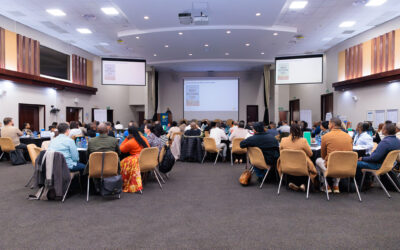
Social Employment Network: Strengthening Pathways Beyond Participation
Written by: Thula Zondi The Social Employment Fund (SEF) Annual In-Person Workshop, convened by the Social Employment network on 6–7 May 2026 at the IDC Head Office in Sandton, brought together Strategic Implementing Partners (SIPs), government representatives, and...

Learning Brief: Building Safe, Resilient and Flourishing Communities
Building Safe, Resilient and Flourishing Communities is a learning brief developed by the Economic Development Partnership (EDP) through the Social Employment Network (SEN), drawing on the experiences of Social Employment Fund (SEF) partners working in the community...

Market Days Growing Confidence and Entrepreneurial Ambition
Written by: Thula Zondi Selling is one of the most essential, yet often underdeveloped, skills in South Africa’s economy. Through the Social Employment Fund (SEF) programme, partners are working to change that, creating opportunities that go beyond participation and...