


As part of the Social Employment Fund (SEF), the Economic Development Partnership convenes the Social Employment Network (SEN), a community of practice that connects Strategic Implementing Partners (SIPs) and supports collaborative learning. To extend this learning beyond the network, the SEN hosts a series of webinars designed to showcase the depth of expertise within SIPs and highlight the critical role civil society plays in shaping public employment. These sessions not only amplify SIP voices but also help reframe how Public Employment Programmes (PEPs) are understood, demonstrating that they are not just about job creation, but also about building community assets, strengthening local ecosystems, and drawing on the innovation and lived experience of civil society organisations.
The fifth SEN webinar focused on aquaponics, an innovative farming method that combines aquaculture (fish farming) with hydroponics (soil-free plant cultivation) in a closed-loop system. The session highlighted the environmental benefits of aquaponics, such as reduced water use, minimal soil degradation, and the elimination of synthetic fertilizers, alongside its economic potential to generate diverse income streams and maximize yields in small spaces. Socially, aquaponics can improve food security, provide access to fresh produce, and empower communities through local food production and entrepreneurship. Practical tips were shared on different aquaponic models, including deep-water culture, nutrient film technique, and medium bed design. See more on aquaponics here.
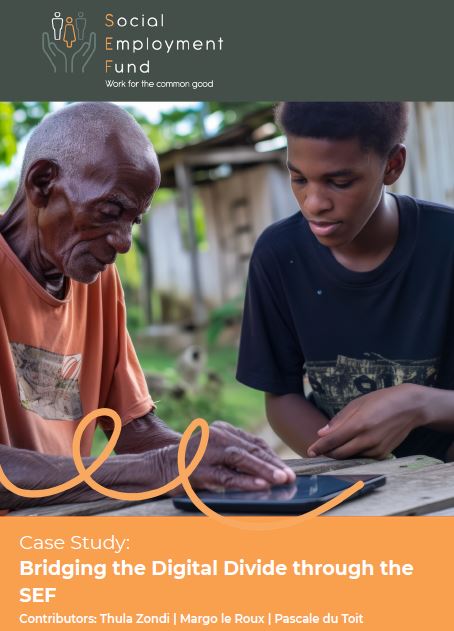
Case Study: Bridging the Digital Divide throughthe SEF
Contributors: Thula Zondi | Margo le Roux | Pascale Du Toit The Social Employment Fund (SEF) is helping bridge South Africa's digital divide by combining meaningful work opportunities with digital skills development, connectivity, and access to technology. Through its...
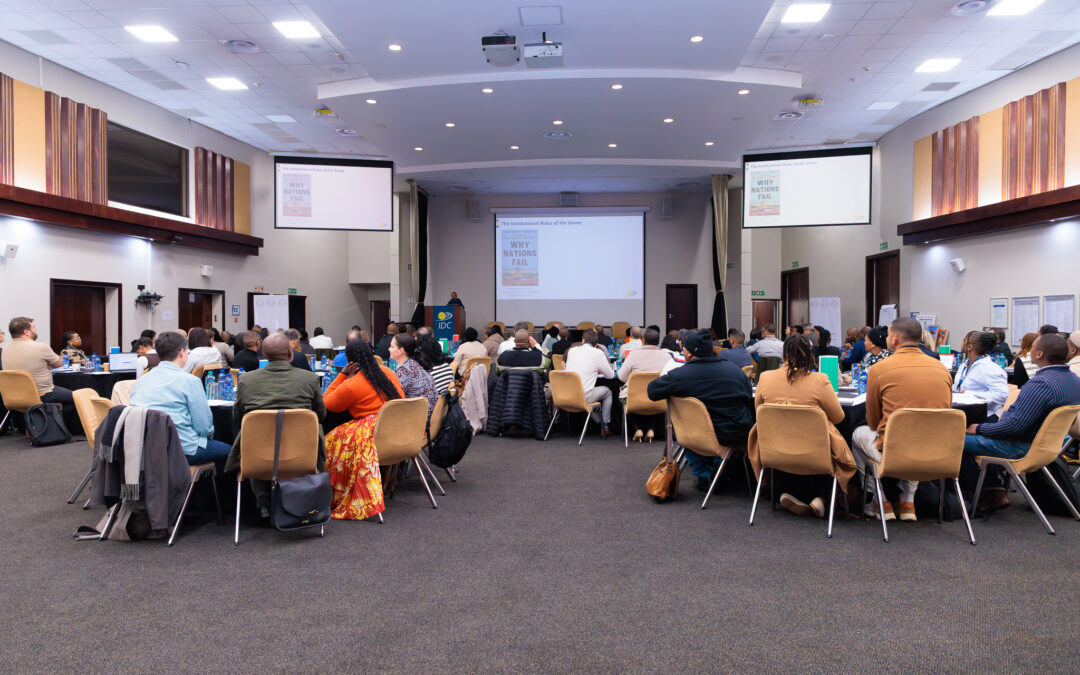
Social Employment Network: Strengthening Pathways Beyond Participation
Written by: Thula Zondi The Social Employment Fund (SEF) Annual In-Person Workshop, convened by the Social Employment network on 6–7 May 2026 at the IDC Head Office in Sandton, brought together Strategic Implementing Partners (SIPs), government representatives, and...
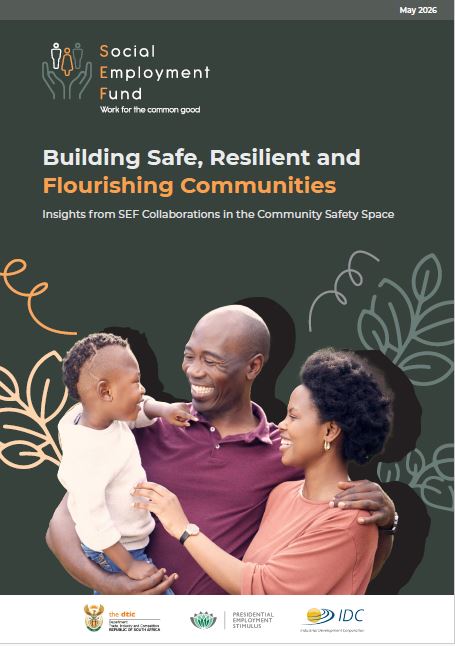
Learning Brief: Building Safe, Resilient and Flourishing Communities
Building Safe, Resilient and Flourishing Communities is a learning brief developed by the Economic Development Partnership (EDP) through the Social Employment Network (SEN), drawing on the experiences of Social Employment Fund (SEF) partners working in the community...
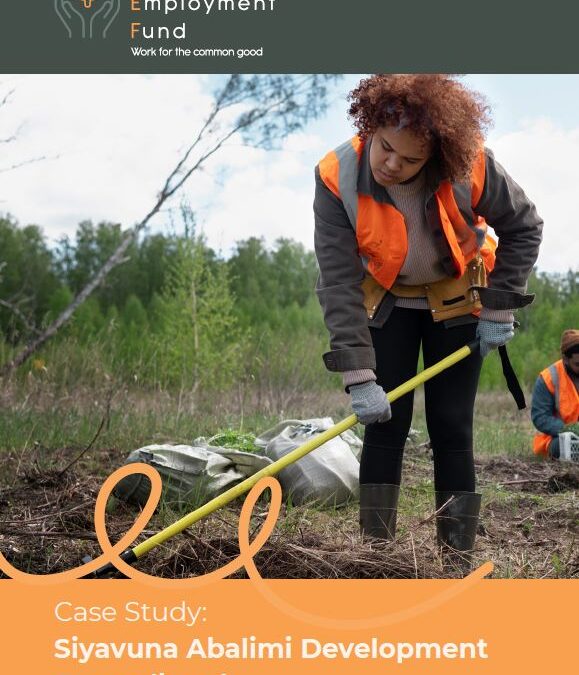
Case Study: Siyavuna Abalimi Development Groundbreak
Contributors: Thula Zondi | Margo le Roux | Vuyolwetu Ntinzi The Siyavuna Abalimi Development Programme case study examines how the Social Employment Fund (SEF), together with Strategic Implementing Partners (SIPs), is supporting smallholder farmers and strengthening...
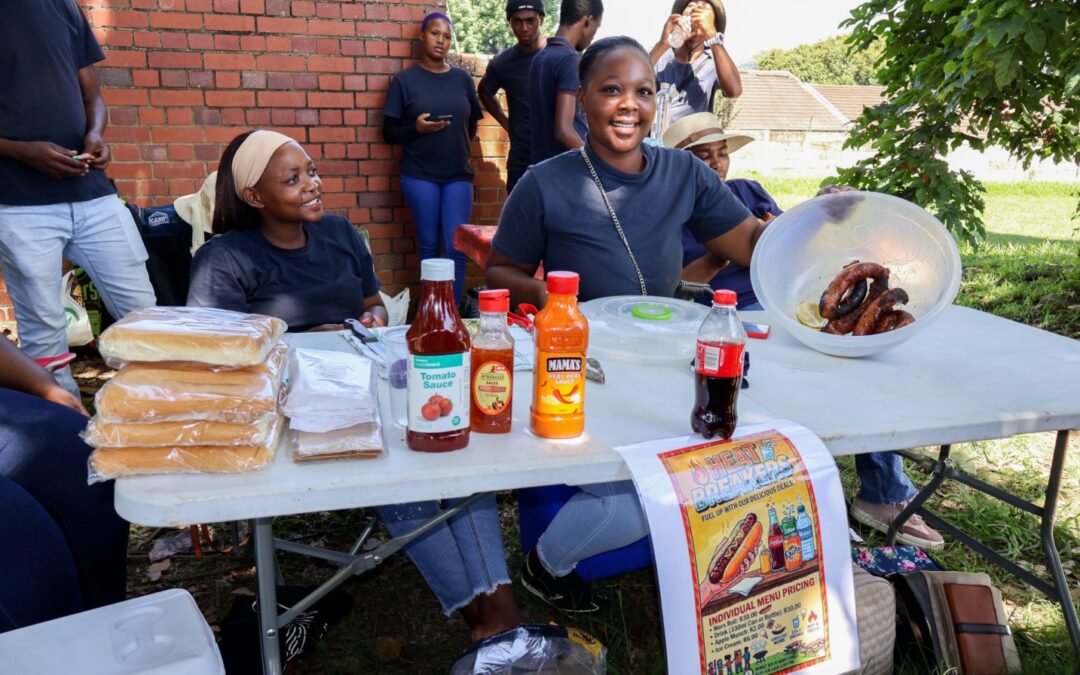
Market Days Growing Confidence and Entrepreneurial Ambition
Written by: Thula Zondi Selling is one of the most essential, yet often underdeveloped, skills in South Africa’s economy. Through the Social Employment Fund (SEF) programme, partners are working to change that, creating opportunities that go beyond participation and...

Unlocking Community Potential Through ABCD Training
Written by: Thula Zondi Across Inanda, Khula Village, Keiskammahoek, Middelburg and Addo, a quiet but powerful shift is taking place. Communities that were once focused on what they lacked are beginning to recognise something far more valuable; the resources, skills...

Growing Change Where It Matters Most
Written by: Thula Zondi At 41, Jabulani Masina, a changemaker from Moretele in the North West is using agriculture to create meaningful impact where it matters most. Through the Social Employment Fund (SEF) programme, Jabulani has established a small-scale farming...
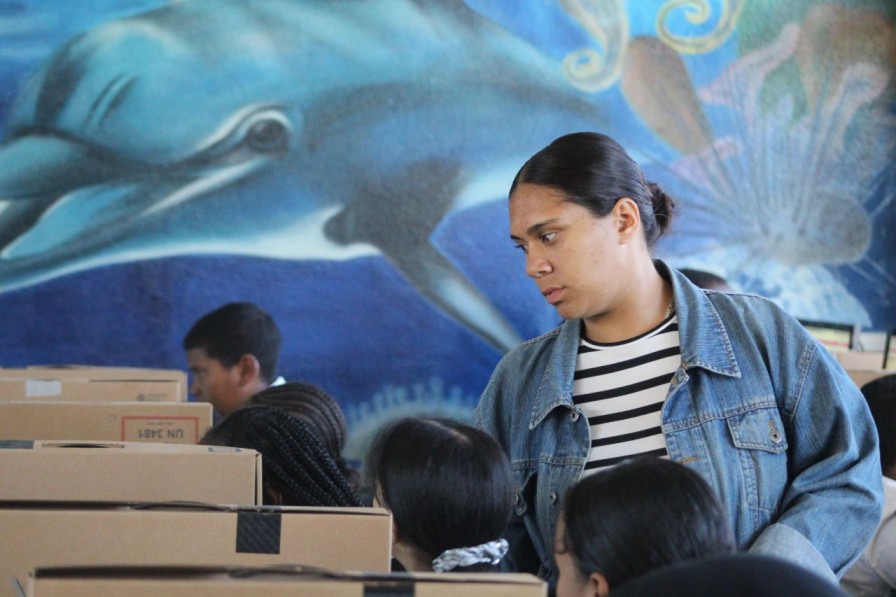
A Classroom That Builds Futures
Written by: Thula Zondi At Westville Primary School in Cape Town, change is unfolding in small but powerful moments inside the classroom, driven by young people like 24-year-old Michaela Hendrick. For Michaela, the work is also deeply personal. It is rooted in her...
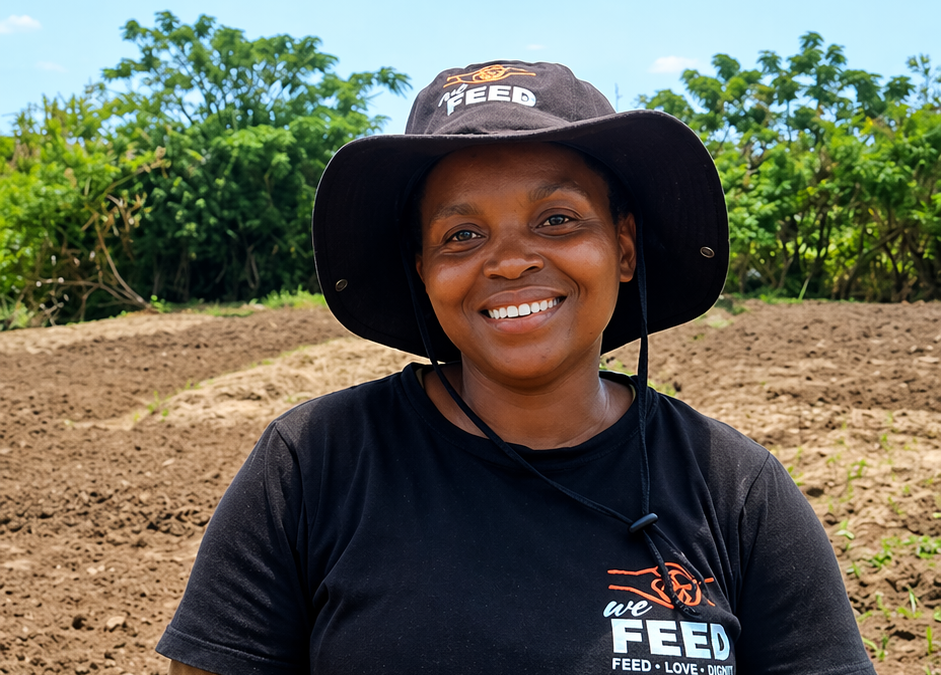
Turning Idle Land into a Thriving Agricultural Hub
Written by: Thula Zondi Meet Andiswa Makholosa, a dedicated participant from Mount Moriah who is helping to turn possibility into something tangible and lasting. What was once an unused, empty piece of land has been transformed into a productive agricultural space,...

Testing case studies
Lorem ipsum dolor sit amet, c onsectetur adipiscing elit. Sed do eiusmod tempor incididunt ut labore et dolore magna aliqua. Ut enim ad minim veniam, quis nostrud exercitation ullamco laboris nisi ut aliquip ex ea commodo consequat. Duis aute irure dolor in...